
A conservation report is useful when a reader can see what changed in the field and how the team knows. The work begins with the records that field teams keep, well before anyone opens a document to write the story.
Why an activity count can leave the main question unanswered
Suppose a programme reports that it strengthened livestock enclosures and trained the people who maintain them. Those counts tell a reader what was delivered. They cannot, by themselves, tell a livestock keeper whether a repaired enclosure is still holding up or a programme team where follow-up is needed. Decide what you want to understand, like whether sampled enclosures are in use and whether verified attacks were reported during a defined period.
Keep a record that supports the claim
Agree on a short form field staff can complete consistently, with a site reference, date, observation, how the record was checked and any action needed. If the team inspects enclosures, record which ones were checked and what condition they were in. When comparing periods, make clear whether visits covered the same sites and seasons. A change in who reported or how often staff visited can also affect the totals.
Write one result precisely enough to be useful
A hypothetical example is ‘No livestock attacks were reported inside the 20 enclosures checked during three months of follow-up.’ That tells a reader what was checked, the reporting period and the size of the group. Add how attacks were recorded and what was done when information could not be verified. If an earlier figure is available, describe when and how it was collected before using it as a comparison.
Connect the evidence to the people affected
Talk to someone who uses the intervention and ask what changed in practice. A livestock keeper may describe how often they have to reinforce a gate or how long it takes to bring animals in at night. Use a quotation only with permission. Identify the person and location only where appropriate. A quotation helps readers understand why a result matters, while monitoring records show what was observed across the sites covered by the report.
Use pictures and maps to clarify the account
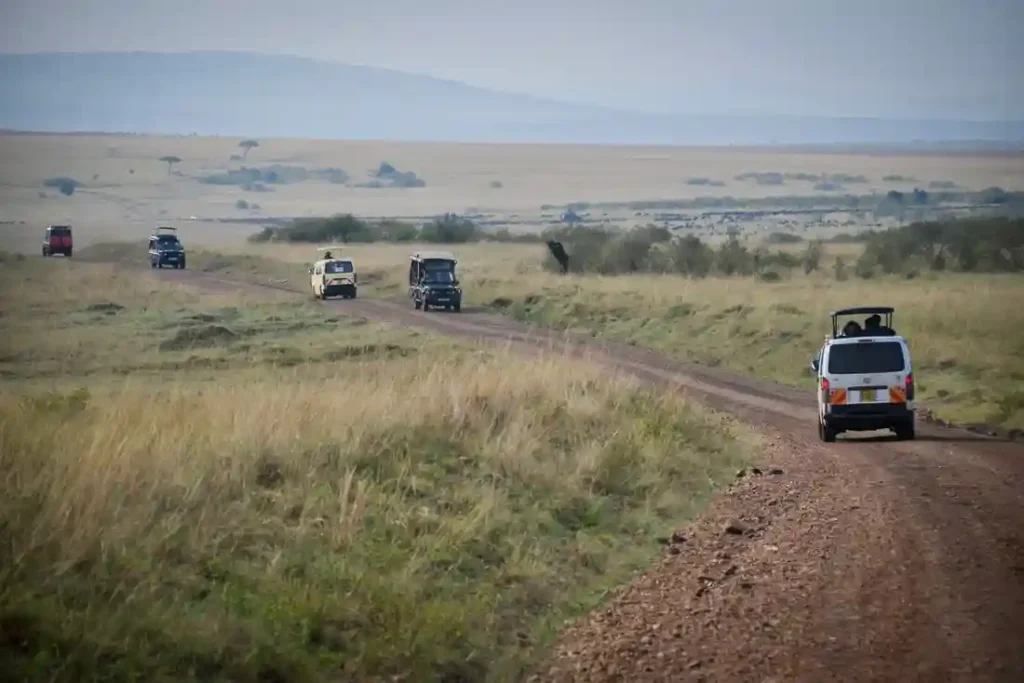
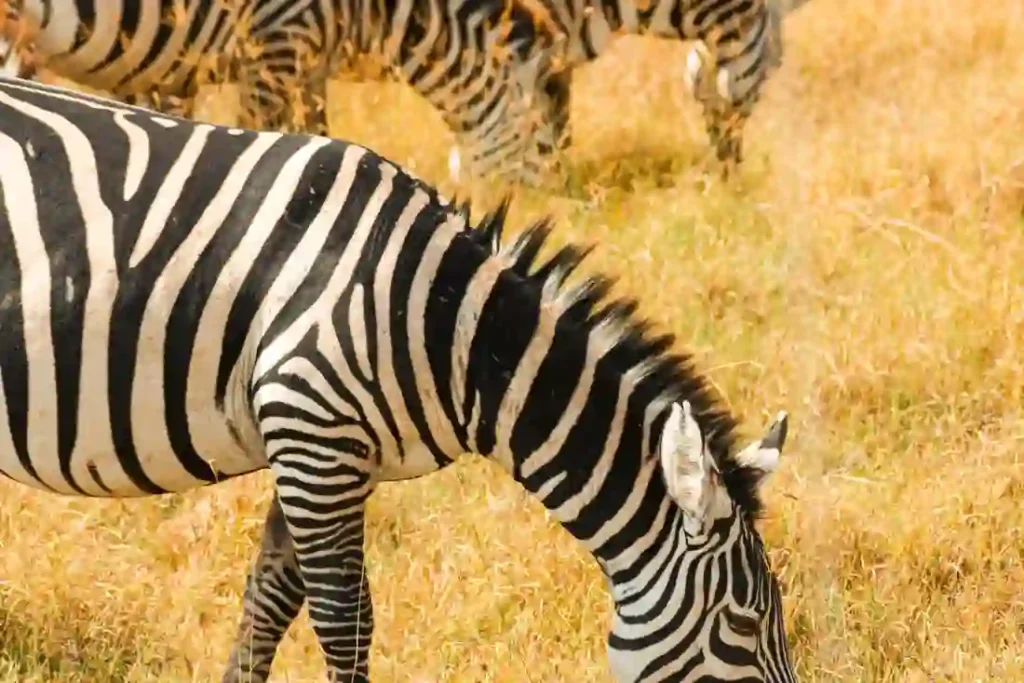
Choose a picture that shows the activity or place you are describing and write a caption that makes the connection clear. Stock photography can illustrate a landscape or topic. It should be credited and described without implying that it depicts a project visit or monitoring result. Before publishing maps, consider whether exact coordinates could identify households or reveal sensitive wildlife locations.
Turn the report into a decision
End with what the team will do with the information. If inspections repeatedly find weak gates, agree who will check them next and when. If reports are often incomplete or late, simplify the form or agree on the next call-in date. During the next reporting period, compare the same measures where possible and explain any changes in coverage. This gives staff and partners something they can act on and review.